Heat Stress

Farmworkers experience unique and challenging workplace hazards. From heat stress to pesticide exposure, many farmworkers suffer due to poor access to healthcare resources or lack the knowledge that these services are available to them. 

Through education and community organizing, the Farmworkers Association of Florida works to improve farmworkers’ health, working conditions, and access to quality healthcare; raise awareness of the harmful effects of toxic pesticides; and influence policy related to health and safety protections for farmworkers.

Why heat matters to us

Temperatures have been the hottest in 2000 years and are only increasing. In the past 30 years, heat has led as the primary weather-related killer in the United States.

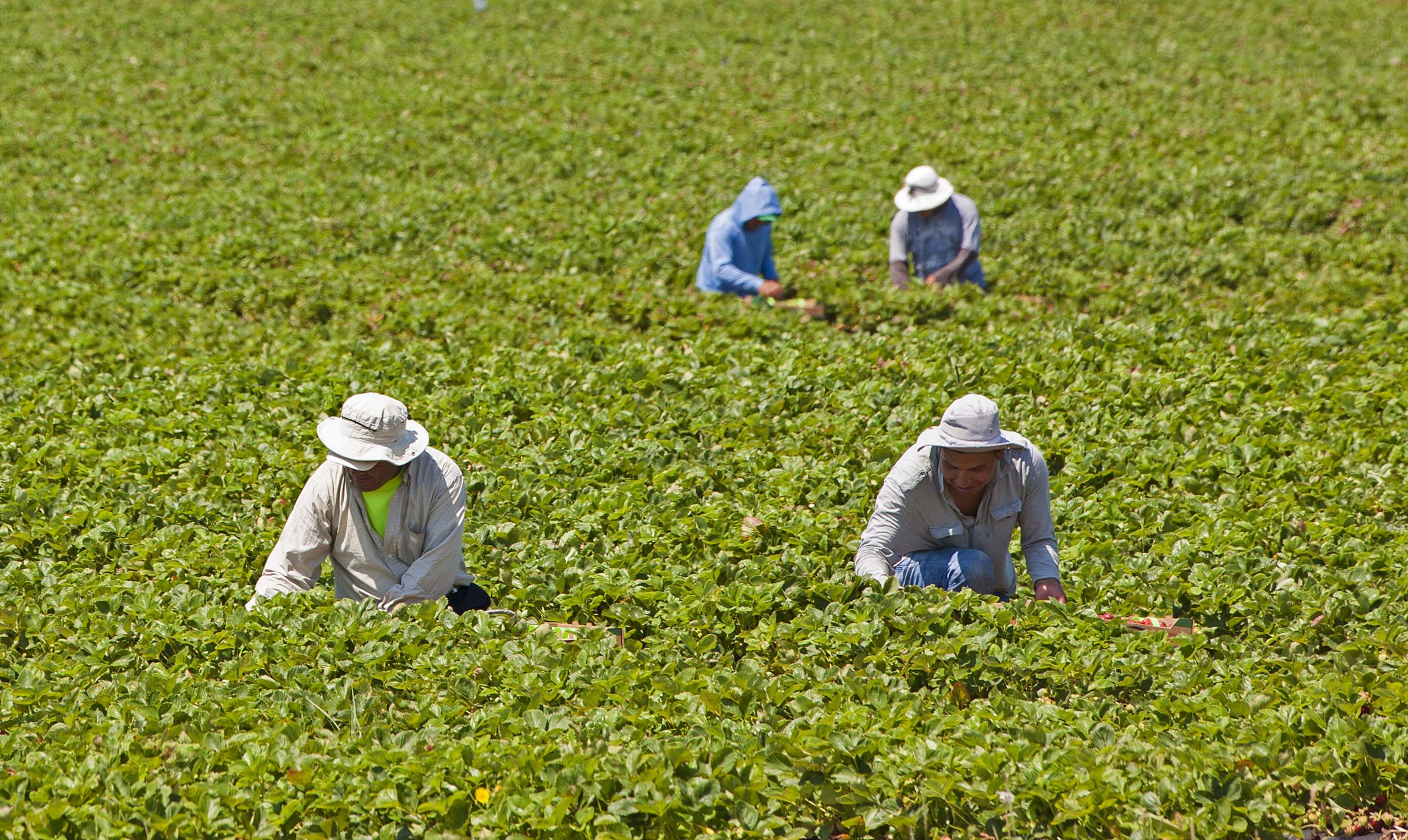
Farmworkers are exposed to dangerously high temperatures in their work, and are particularly vulnerable to illnesses caused by excessive heat, with a death rate from heat-related causes at roughly 20x the rate of workers in all other civilian professions. 

Farmworkers often wear many layers to protect themselves from sun and pesticide exposure, increasing their experienced temperatures continue to rise. Due to the work’s nature, expectations, labor structure, and current anti-immigration climate, farmworkers are often unable to take care of themselves when experiencing heat stress. Actions such as taking water breaks, using the bathroom, or resting in the shade can provide relief from heat stress symptoms. Many work hard through discomfort or illness for many reasons, including fear of retaliation, such as losing their job or being deported, experienced language barriers, pressure from supervisors or coworkers, or may lack knowledge of their rights. Bathrooms may be far from the worksite and Food Safety Regulations restrict farmworkers’s ability to carry water with them. Many are also paid through piece-rate systems, rather than hourly or salary, which further disincentivizes taking breaks and incentivizes working at fast paces. The increased heat of the day is also an incentive to work at a fast pace and finish work early.

Legal barriers

Agricultural exceptionalism – the set of legal and policy exemptions that treat agriculture differently from other industries – contributes to excessive heat exposure among farmworkers. Because of these exemptions, farmworkers are excluded from many federal labor protections such as overtime pay, mandatory rest breaks, and in some cases occupational safety standards. This leaves heat safety largely unregulated in the fields, where workers perform intense physical labor in extreme temperatures. Limited enforcement, weak state-level protections, and fear of retaliation for speaking out further compounds risks. As a result, agricultural exceptionalism institutionalizes the conditions that make farmworkers disproportionately vulnerable to heat stress and related health impacts.

Despite being one of the hottest and most humid states in the country, Florida does not have specific heat standards to safeguard outdoor workers. Instead of addressing this gap, lawmakers passed HB443 in 2024, which preempts local governments from adopting workplace heat protections stronger than state or federal requirements. This law effectively blocks counties and municipalities – where farmworkers are concentrated- from enacting common-sense measures such as mandatory water breaks, shaded rest areas, or adjusted work hours during extreme heat.

All of these factors contribute to how heat disproportionately affects the farmworkers we serve. Members of our community often report suffering from heat stress symptoms, like overheating, fainting, or feeling nauseous from dehydration. Because of the prevalance and severity of these symptoms, FWAF is heavily invested in addressing heat illness, not only on our local level, but also through structural change. As an organization we work to both make sure that farmworkers have the equipment and knowledge they need to protect themselves from heat, as well as fight for heat protections through state and federal regulations.

Heat Stress Research

FWAF has partnered with Emory University for over a decade in a community-based participatory research project called Los Girasoles which sought to understand the impacts of heat on workers’ bodies. The results demonstrate the importance of these kinds of studies and the urgency to address heat stress for farmworkers:

For at least one day of the three-day study:

  • 90% of participants exceeded the heat stress limit of 100.4° Fahrenheit
  • 42% of participants developed ≥ 3 symptoms of heat related illness
  • 36% of participants of developed AKI (acute kidney injury)

This research mirrors what the farmworker community in Florida has been fighting against for years. But research isn’t enough to make real change.

Fighting Heat stress

FWAF put this data into action, co-creating a heat stress training with University of Florida in the PISCA project to train farmworkers on heat stress prevention, PPE, and emergency response. So far, FWAF has helped train over 1000 farmworkers in Florida and South Georgia in life-saving protocols, and uses WhatsApp and other forms of social media outreach to warn farmworkers on high heat days.

A heat stress training for a group of H-2A workers
Distributing bandanas to nursery workers in Apopka

FWAF has also distributed cooling bandanas and cooling shirts along with long-sleeved shirts (all donated by supporters like you) to farmworkers at their place of work to help protect from the heat and the sun, as well as pesticides which can have compounding effects with heat.

Speaking out

Lastly, FWAF takes the fight agains heat stress to the public, conducting and offering presentations on farmworkers and heat for other groups, organizations, and students. We’ve partnered with National Farm Worker Ministry, CHEF, CLEO, HOPE and with universities on Alternative Spring Break events. Let us know if you’d like us to do a presentation with you!

FWAF has been involved in trying to pass a heat stress standard in Florida since 2014, with help from out partners, allies, and testimonies from farmworkers. On the national level, we’ve been participating in the national Heat Stress Network to work collaboratively and collectively to advocate for heat stress standards by/through OSHA. We’ve been conducting multiple interviews and recording testimonies from farmworkers and other outdoor workers to submit as part of public comments to OSHA to uplift farmworker voices and experiences. 

Check out our videos on farmworkers' experiences and their heat stress testimonies below:

The Effects of Heat Stress on Farmworkers

The Unseen Toll of Heat on Farmworkers

Related Articles

biomonitoring

Florida heat stress researchers of farmworkers, athletes and military compare notes

An Emory University research project with Florida farmworkers is part of an innovative multi-disciplinary approach to heat stress in Florida. Researchers on heat stress in ...
Read More